
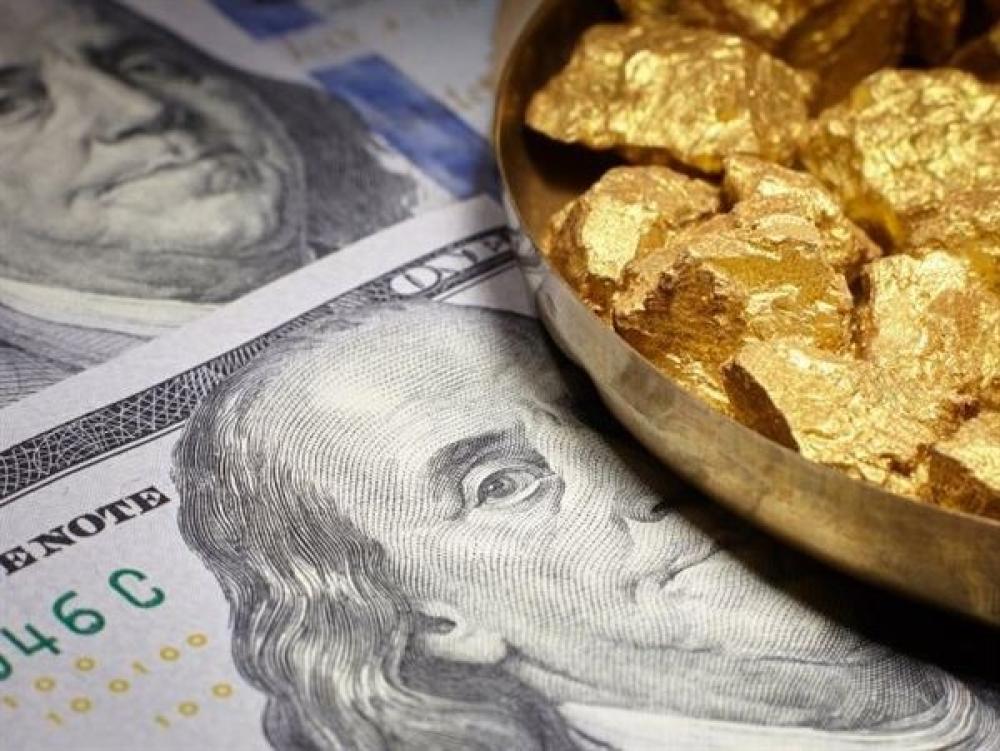
Gold prices fell by about 2.7% on Thursday, despite lower US Treasury yields and strong labor market data, amid a lack of a clear catalyst to support prices.
The precious metal traded near $4,945 an ounce after touching $5,100 earlier in the session, before coming under sharp selling pressure that pushed it below $4,900.
Multiple pressures
The decline in gold prices came amid:
Strength of the US dollar
Lowering expectations for an interest rate cut in July
Demand for safe havens has declined as geopolitical tensions have eased, particularly with growing optimism regarding talks between Russia and Iran.
Reports indicating Russia’s intention to resume settling some of its transactions in US dollars also supported the US currency, further increasing pressure on gold.
Labor market data
Data from the U.S. Labor Department showed that initial jobless claims for the week ending February 7 rose to 227,000, exceeding expectations of 222,000, but remaining below the previous reading, with the four-week moving average holding steady at around 219,500.
In contrast, the non-farm payrolls data for January came in strong, with the US economy adding 130,000 jobs, nearly double the expected 70,000, while the unemployment rate fell to 4.3% from 4.4%.
Impact of monetary policy
The strength of the labor market has reinforced the Federal Reserve's inclination to keep interest rates unchanged, according to market pricing. Markets have also reduced their bets on a June rate cut, while the likelihood of a cut at the July meeting has increased.
Market data suggests pricing in around 30 basis points of monetary easing by the July 29 meeting.
Despite the decline in US bond yields, the strength of the dollar and reduced expectations of monetary easing have limited the appeal of gold, which is usually affected by movements of the US currency and interest rate expectations.